
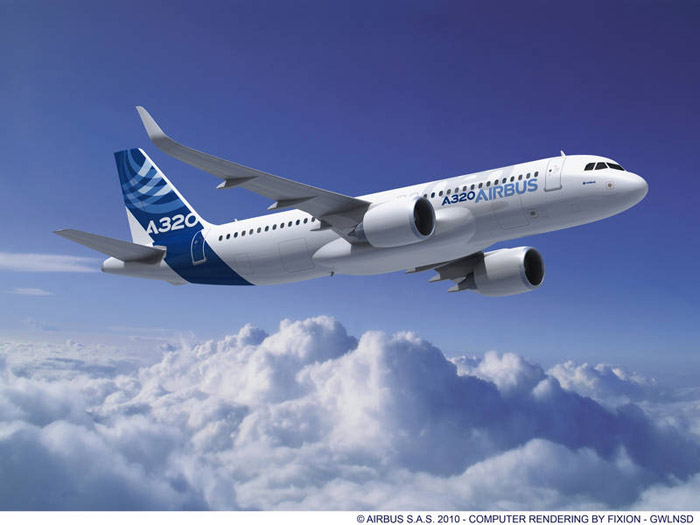
Airbus has issued an urgent precautionary fleet action affecting a portion of the global A320 Family fleet after identifying a potential risk linked to flight-control data integrity. The manufacturer released the update on 28 November 2025, advising operators to take immediate steps to ensure the continued safe operation of affected aircraft.
Airbus’ decision follows a recent in-service event in which the manufacturer detected that exceptionally strong solar radiation had the potential to corrupt specific data inputs used by the aircraft’s flight-control systems. While no accident or serious incident has occurred, Airbus determined that the scenario warranted immediate attention.
Comprehensive analysis by Airbus engineering teams revealed that certain A320 Family aircraft may be exposed to this vulnerability depending on equipment configuration. As a result, Airbus moved swiftly to advise airlines and regulators.
To address the issue, Airbus distributed an Alert Operators Transmission (AOT) to all A320 Family operators. The AOT outlines a set of mandatory protective measures, including:
- Implementation of updated software protections
- Enhanced hardware shielding or component updates on affected units
- Additional operational checks to safeguard data integrity
These actions serve as interim protections while long-term solutions are finalized.
The European Union Aviation Safety Agency (EASA) is preparing an Emergency Airworthiness Directive (EAD) to formalize and enforce the required fleet actions. Once published, the directive will be legally binding for all operators under EASA oversight and will likely be mirrored by other global regulators.
The EAD is expected to detail:
- Mandatory compliance timelines
- Aircraft configurations considered at risk
- Operational limitations, if any, during the modification period
Airbus has warned that the precautionary measures may lead to short-term operational disruptions. Depending on the complexity of the software update or hardware modifications required, some aircraft may temporarily be removed from service.
Possible impacts include:
- Brief, targeted groundings of specific aircraft
- Schedule adjustments or aircraft swaps
- Slower turnaround for airlines operating large A320 fleets
Although disruptions are expected to be limited, the scale depends on each airline’s fleet size and configuration.
Airbus reiterated that safety remains the top priority and that the identified issue is being addressed proactively before it can pose any operational risk. The manufacturer continues to work closely with airlines and regulatory bodies to monitor the situation and deliver permanent fixes as quickly as possible.
What Happens Next?
In the coming days, airlines will begin implementing the initial protective measures outlined in the AOT. Once the EASA Emergency Airworthiness Directive is issued, operators will follow legally mandated compliance requirements.
A longer-term technical solution — likely involving updated flight-control system protections — is already under development.
Passengers may see minor schedule changes or aircraft substitutions, but widespread disruption is not expected.